It’s not that long ago, really not a distant memory, when Microsoft were hauled before regulators in the US and Europe for several years over the anti-competitive practices of bundling Internet Explorer and Windows Media Player with Windows. Competitors such as Opera and Real Networks (remember them?) said such practices were damaging their own success and as such Microsoft had to spend millions of dollars defending themselves only to mostly lose and have to offer both versions of Windows without Windows Media Player and also the Browser Ballot screen in the EU (which I have to admit is a very good idea anyway) so that users could make an informed choice about what web browser they wanted to use.
Since this happened such software has begun to creep back into Windows. Windows 8 is without doubt the worst offender ever with a new Metro version of Internet Explorer embedded into the new Start Screen as well as the desktop version present also. It is the first version of Windows to include anti-virus software and now we learn that the ARM-version of Windows 8 will also include desktop versions of Microsoft’s next office suite, codenamed “Office 15″ in the form of Word, Excel, PowerPoint and OneNote. So what’s happening here and could Microsoft face more anti-trust action in the coming years?
To look at this we have to look at the competition. When Microsoft were going through their anti-trust actions there really wasn’t any. At first they just had two desktop operating systems to compete against, OS X and GNU/Linux. With this they had a monopoly, but one that they’d worked hard for and earned. With the software things were a different issue where there were a great many web browsers, media players and more.

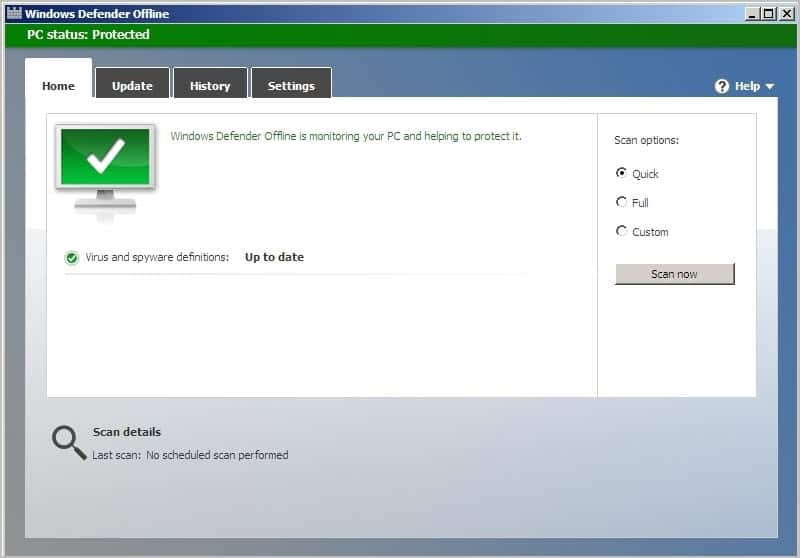
I began to wonder what might happen with further anti-trust actions when Microsoft announced that, for the first time, they would be bundling anti-virus software with Windows. ”Windows Defender” isn’t like the existing Windows Defender that first appeared with XP, it’s a re-badged version of Microsoft’s free Security Essentials product. So far no other anti-virus vendor has kicked up a fuss, though that may still happen.
We had further news though this week that Windows 8 on ARM processors will also include bundled versions of the company’s next generation Office suite in the form of Word, Excel, PowerPoint and OneNote. Surely then this would cause a real storm and trigger another anti-trust investigation right away? Actually I don’t think it will, and it’s likely that Microsoft may never face another anti-trust investigation again.
There are several reasons for this. The first is that in the last few years all manner of popular and effective competition has sprung up in the operating system space, in the form of iOS, WebOS, QNX, Chrome OS and most notably Android. Each and every one of these operating systems (with the notable exception of ChromeOS which is entirely cloud-based) come pre-installed with a bespoke web browser, media player and more and all but iOS come with a pre-loaded Office productivity suite. This then is surely what will have triggered Microsoft’s decision to bundle a version of Office with Windows 8 tablets.
It’s a savvy move too. They will undoubtedly be cut-down versions, similar to the Office web apps, and will be used to try and up-sell people to the full version of Office on their PCs in the same way that Office Starter, which is commonly shipped free of charge with new PCs does already.
It is very easy now then for Microsoft’s lawyers to argue that bundling Office 15 with Windows 8 tablets isn’t anti-competitive at all, especially as they don’t do it with the desktop version of the OS. They’re just copying what other tablet operating system makers have been doing for some time now. With the anti-virus argument it might be a harder argument to make, and it is possible we will see some of the smaller or even major anti-virus vendors complaining to the US authorities or to the EU. It’s much more likely though that they’ll simply dismiss Windows Defender as being “rubbish” (which it isn’t I should add if you’re considering it) and trying to convince people to buy their own suites anyway.
So what do you think the legal future is for Microsoft given everything they’re bundling with Windows 8? Why not tell us in the comments below?